Home › Training, Behavior & Exercise
Rottweiler Socialization and Training: Building a Steady Guardian
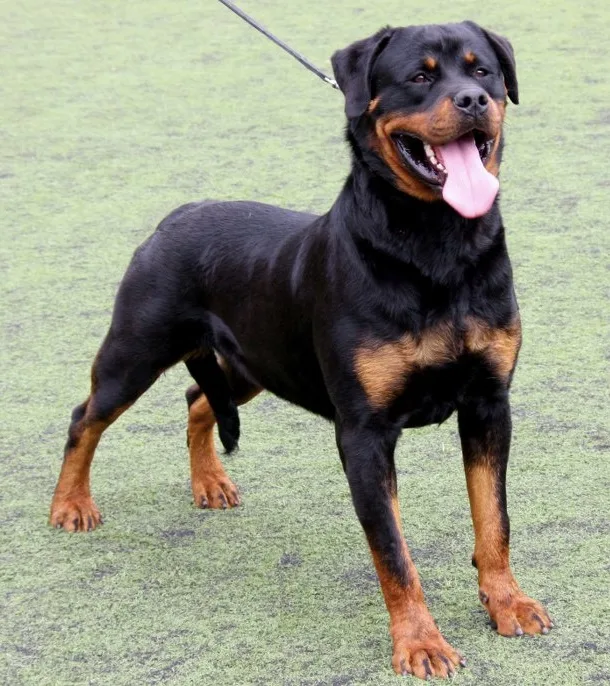
Photo: https://www.flickr.com/photos/azuaje/ via Wikimedia Commons, CC BY-SA 2.0
Rottweilers were developed for herding and guarding. VCA describes them as confident and protective, deeply loyal to family and naturally alert—traits that become a gift with structure, or a problem without it. Early socialization and clear training are not optional extras for this breed.
What “socialization” actually means
The AKC puppy socialization guide explains that the first ~three months help shape adult responses to the environment. The goal is positive, controlled exposure to varied people, surfaces, sounds and situations—not flooding a puppy with chaos.
AKC’s practical themes include:
- Introduce new sights, sounds and textures gradually.
- Pair new experiences with calm praise and appropriately sized treats.
- Involve household members so the puppy generalizes.
- Take baby steps before busy public settings.
- Use puppy classes once your veterinarian says the vaccine timeline allows it.
- Consider structured programs such as AKC S.T.A.R. Puppy when available.
AKC also cites the American Veterinary Society of Animal Behavior’s point that behavior problems—not infectious disease—are a leading cause of death in dogs under three. That is a reason to socialize thoughtfully with veterinary guidance on disease risk, not a reason to skip vaccines or ignore your clinic’s advice.
Leadership without harshness
VCA’s Rottweiler overview stresses consistent leadership and notes that without training, protective instincts can become hard to manage. For a strong working breed, that usually means:
- Clear household rules everyone follows the same way.
- Daily physical and mental work (walks, training games, structured play).
- Reinforcement for calm greetings and settled behavior.
- Management (leashes, gates, distance) so the dog is not rehearsing unwanted reactions.
AKC basic training emphasizes teaching useful cues with short, positive sessions and practicing in everyday life. If you feel overmatched by a growing adolescent Rottweiler, hire a trainer experienced with large guardian-type breeds and modern methods.
Exercise and enrichment
VCA describes moderate to high activity needs: walks, training and structured activities help prevent boredom-related problems. A tired Rottweiler is not a substitute for socialization, but under-exercised dogs often look “stubborn” when they are simply unused.
Match activity to age and joint health—especially while growth plates are open. Ask your veterinarian before starting high-impact sports with a puppy.
Socialization and other pets or children
VCA notes Rottweilers are generally good with children with supervision, and may be selective with other pets, needing careful introductions. Never leave any dog unsupervised with young children. Teach kids to respect rest spaces and to interact calmly.
When to get professional help
Seek veterinary and qualified behavior help promptly for:
- Growling, snapping or stiffening around guests
- Panic, shutdown or inability to settle in normal settings
- Barrier frustration that is escalating
- Sudden behavior changes that could signal pain (see our dysplasia and osteosarcoma awareness guide)
Bottom line
A well-socialized, well-trained Rottweiler can be a calm, dependable companion. Start early, keep exposures positive, train with clarity and partner with your veterinarian and a skilled trainer. Steady guardians are built—not hoped for.
Frequently asked questions
Why is early socialization important for Rottweilers?
VCA notes that Rottweilers are confident and protective, form strong family bonds and may be cautious with unfamiliar people. Without training they may become overly protective. AKC emphasizes that the early socialization period shapes how puppies respond to people, places and sounds as adults.
When should socialization start?
AKC describes an important socialization window in roughly the first three months of life. Responsible breeders begin gentle handling early; owners continue after the puppy comes home. Ask your veterinarian when and how to balance socialization with infectious-disease risk during the vaccine series.
What training approach fits a Rottweiler?
VCA highlights consistent leadership, daily exercise and structured activities. AKC basic-training guidance emphasizes clear cues, short positive sessions and practice in real life. Force-heavy methods are a poor fit for a powerful working breed—work with a trainer skilled in modern, reward-based methods when you need help.
Can adult Rottweilers still learn social skills?
AKC notes that older dogs can still form positive associations with new situations when reintroduced carefully. Severe fear or reactivity belongs with a veterinarian and, when appropriate, a qualified behavior professional—not a weekend internet challenge.
Is this a behavior diagnosis?
No. This guide summarizes published AKC and VCA language. Aggression, panic or sudden behavior changes need professional evaluation. Safety for people and other animals always comes first.
A quick note: this guide is general information from published sources, written by dog lovers, not a veterinarian. Your own vet knows your dog's history, so check with them before changing food, exercise or treatment.
Sources
Keep reading
Rottweiler Weight by Age: Height, Adult Ranges, and Growth Tracking
What the AKC Rottweiler standard and breed profile say about height and adult weight bands, how to track growth with your vet, and why body condition matters more than a single number.

Rottweiler Hip & Elbow Dysplasia and Osteosarcoma: Vet Awareness Guide
What VCA, OFA, ACVS and Cornell say about hip dysplasia, elbow dysplasia and osteosarcoma risk in Rottweilers—screening language, warning signs and why this is awareness (not a diagnosis).