Feeding a Rottweiler Puppy: Large-Breed Growth and Portions
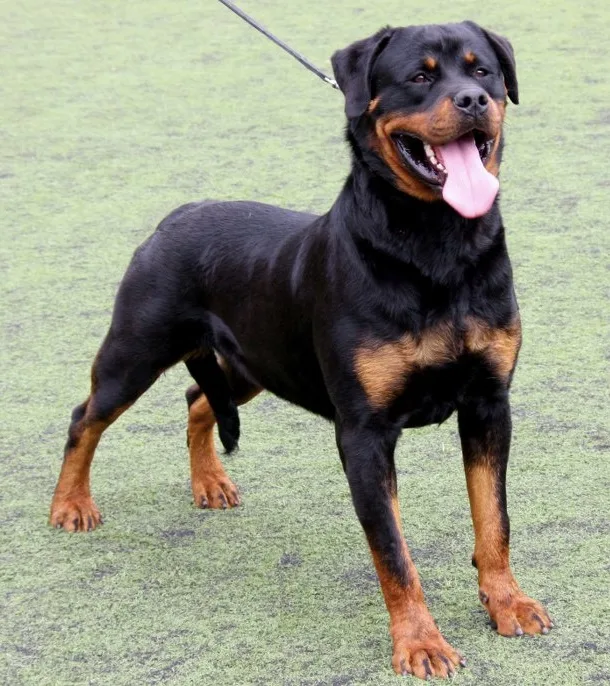
Photo: https://www.flickr.com/photos/azuaje/ via Wikimedia Commons, CC BY-SA 2.0
Rottweiler puppies grow into powerful adults. How fast they grow is a veterinary conversation—not a race. VCA’s hip-dysplasia overview notes large-breed puppies should be kept at a normal, lean weight during growth, not overfed to “grow big,” because diet and growth rate can influence a genetic disease.
Educational only. Ask your veterinarian before changing food or portions.
Measured meals
VCA feeding growing puppies covers puppy nutrition basics. Use the label as a starting point and refine with weigh-ins and BCS. Record observations in the /tools/weight-journal/—it does not predict adult size.
Body condition over bragging rights
The WSAVA BCS chart helps describe ribs and waist. Adult size language lives in weight by age and the AKC standard—not invented kcal tables.
Joints are part of feeding talks
Review hip, elbow and osteosarcoma awareness so growth questions stay paired with screening conversations—not product rankings.
Frequently asked questions
Should Rottweiler puppies be free-fed?
Measured meals are usually easier to monitor. VCA feeding guidance for growing puppies emphasizes appropriate diets and portions set with veterinary advice. Free-feeding makes it harder to spot appetite changes and control growth pace.
Why do vets mention large-breed puppy diets?
VCA's hip-dysplasia overview notes that hip dysplasia is most commonly seen in large-breed dogs and that at-risk puppies should be kept at a normal, lean weight during growth—not overfed or encouraged to grow big. Diet is one of several factors alongside genetics.
When should a puppy switch to adult food?
Ask your veterinarian. Timing depends on the individual dog's growth, body condition and the food's feeding trial/label. Do not switch on an internet birthday rule alone.
Scale weight or body condition?
Both help. WSAVA publishes a dog body-condition score chart. Prefer serial weigh-ins plus BCS over chasing a single chart cell—see our weight-by-age guide.
A quick note: this guide is general information from published sources, written by dog lovers, not a veterinarian. Your own vet knows your dog's history, so check with them before changing food, exercise or treatment.
Sources
Keep reading
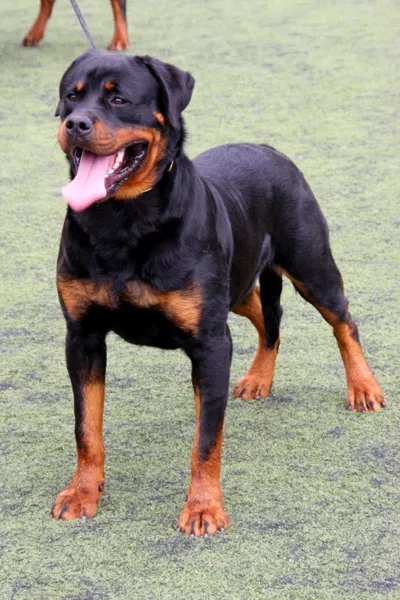
Rottweiler Weight by Age: Height, Adult Ranges, and Growth Tracking
What the AKC Rottweiler standard and breed profile say about height and adult weight bands, how to track growth with your vet, and why body condition matters more than a single number.
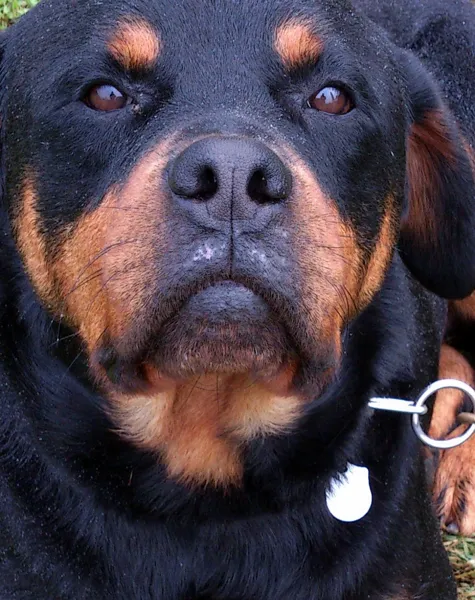

Rottweiler Hip & Elbow Dysplasia and Osteosarcoma: Vet Awareness Guide
What VCA, OFA, ACVS and Cornell say about hip dysplasia, elbow dysplasia and osteosarcoma risk in Rottweilers—screening language, warning signs and why this is awareness (not a diagnosis).