Rottweiler Bloat (GDV) Awareness: An Emergency
Please see your vet. This guide is general education, not a diagnosis or treatment plan. If your Rottweiler seems unwell, call your veterinarian. If it looks like an emergency, go to an emergency vet right away.
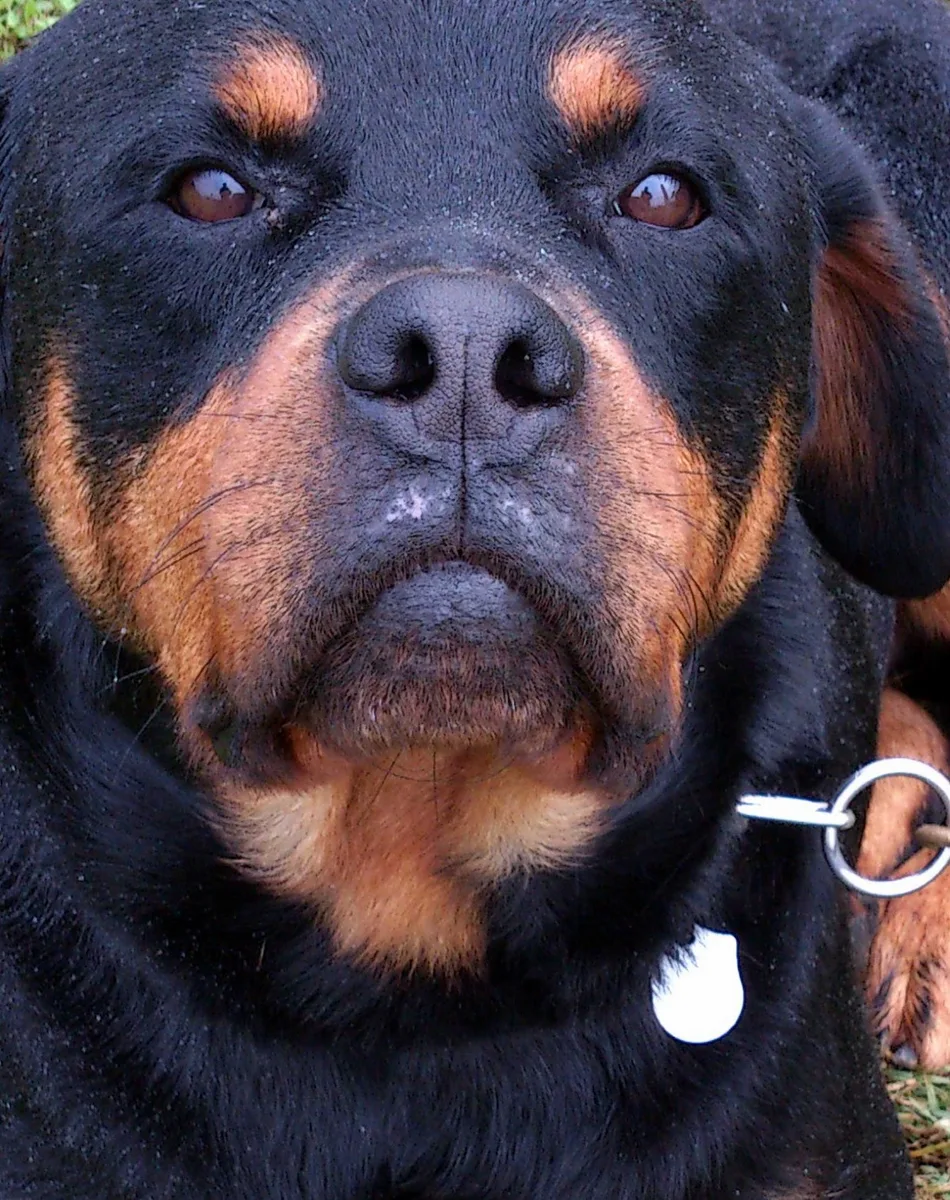
Photo: Julián Monge-Nájera via Wikimedia Commons, CC BY-SA 4.0
GDV is an emergency. If your Rottweiler is retching without producing food, has a tight or swelling belly, is restless or collapsing—go to an emergency veterinarian immediately.
VCA’s Rottweiler overview states that a deep chest increases the risk of gastric dilatation-volvulus, which requires immediate veterinary attention. This page is awareness only.
What GDV is
ACVS describes GDV as a rapidly progressive, life-threatening condition commonly associated with rapid ingestion of large meals; gas and food dilate the stomach with severe consequences including poor oxygen delivery to organs. VCA explains that simple bloat can progress to volvulus (twist) and that large, deep-chested breeds are statistically more prone. Immediate care within minutes to a few hours may be required to save the dog’s life.
Warning signs
ACVS early signs include an anxious look or looking at the abdomen, standing and stretching, drooling, a distending abdomen, and retching without producing anything. Progression can bring panting and collapse. Do not “wait to see if it passes.”
Prevention questions for your vet
Ask about meal size and frequency, activity around mealtimes, elevated bowls (evidence is mixed—follow your vet), and prophylactic gastropexy for at-risk dogs. Associations are not personal destiny; veterinary guidance is.
Keep emergency clinic numbers accessible before you need them.
Frequently asked questions
What is GDV?
Gastric dilatation-volvulus (GDV) is a rapidly progressive, life-threatening condition in which the stomach fills with gas and can twist. ACVS states it requires immediate medical attention. VCA describes it as most commonly seen in large, deep-chested dogs.
What signs are an emergency?
ACVS lists anxious looking at the abdomen, standing and stretching, drooling, a distending abdomen, and retching without producing anything among early signs; progression can include panting and collapse. VCA stresses immediate veterinary attention within minutes to a few hours to save the dog's life. Go now—do not wait.
Are Rottweilers at risk?
VCA's Rottweiler overview states that their deep chest increases GDV risk and that the condition requires immediate veterinary attention. Risk factors discussed across veterinary sources include deep chest conformation and other associations—your vet personalizes prevention talks.
Can this article prevent GDV?
No article can guarantee prevention. Ask your veterinarian about meal management, activity around meals, and whether prophylactic gastropexy is appropriate for your dog. Do not invent home surgical plans.
A quick note: this guide is general information from published sources, written by dog lovers, not a veterinarian. Your own vet knows your dog's history, so check with them before changing food, exercise or treatment.
Sources
Keep reading
Rottweiler Hip & Elbow Dysplasia and Osteosarcoma: Vet Awareness Guide
What VCA, OFA, ACVS and Cornell say about hip dysplasia, elbow dysplasia and osteosarcoma risk in Rottweilers—screening language, warning signs and why this is awareness (not a diagnosis).
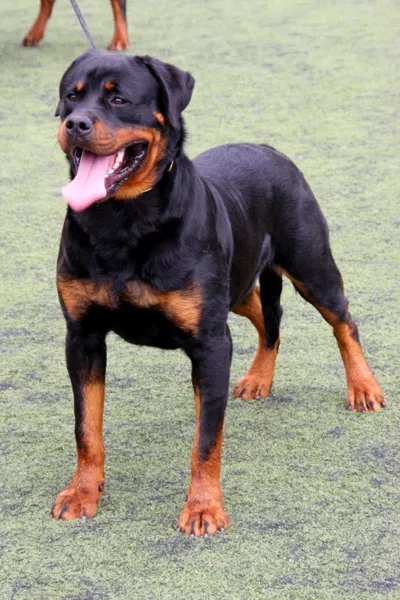

Rottweiler Weight by Age: Height, Adult Ranges, and Growth Tracking
What the AKC Rottweiler standard and breed profile say about height and adult weight bands, how to track growth with your vet, and why body condition matters more than a single number.